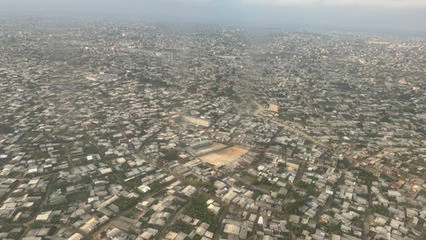
During my recent visit to Douala, Cameroon, I was struck by the significant presence of Chinese merchants in the local markets. Their shops were filled with a diverse array of affordable retail goods from electronics to clothing.
The influx of Chinese merchants into Cameroon began in the mid-1990s. Initially, their numbers were modest, but over the years, their presence has expanded significantly. By 2008, estimates suggested that over 2,000 Chinese nationals resided in Cameroon, primarily in urban centers like Douala, Yaoundé, and Bamenda. These entrepreneurs established businesses ranging from retail shops to traditional medicine clinics, gradually becoming integral to the local economy.
Several factors within China have propelled this outward movement of merchants. China’s rapid industrialization led to overproduction and a large number of merchants producing the same type of goods. These shops face an unbearable amount of competition that is trying to minimize the price of their goods as much as possible, leaving very little profit for the merchants. In order to break even and make some profit, many merchants left China to seek new markets. Many buy manufactured goods in China and ship them to Cameroon and sell they as affordable retail goods in local markets. Additionally, China's "Go Global" policy encouraged businesses to explore international opportunities, providing support for overseas ventures. For many small and medium-sized enterprises, Africa presented a promising frontier with less competition and untapped consumer bases.
Cameroon's central location in Africa, coupled with its access to the Atlantic Ocean via ports such as Douala and Kribi, makes it a pivotal hub for trade and commerce. Along with its growing population, the country offers fertile ground for enterprising merchants. Cameroon is interested in foreign economic relations and has actively pursued policies to attract foreign investors. It has signed investment and commercial agreements with several countries, including China, to foster economic cooperation and facilitate trade. China has invested heavily in numerous projects in Cameroon, particularly in local infrastructure. Projects such as the Kribi Deepwater Port, constructed by the China Harbour Engineering Company, have lessened congestion at existing ports and allowed more trade with Cameroon to be conducted. Cameroon's demand for affordable consumer goods and China's manufacturing capabilities have strengthened the economic relations between the two countries and opened new opportunities for Chinese merchants to reach the Cameroonian public.